
What the future holds for IDEs?
I remember Visual Studio 2000-2008. Every new release was a festival. New features, updated stability. But then something happened. Visual Studio 2010 was largely a disaster. Slow, not nice. That was a turning point for me when I started looking elsewhere.
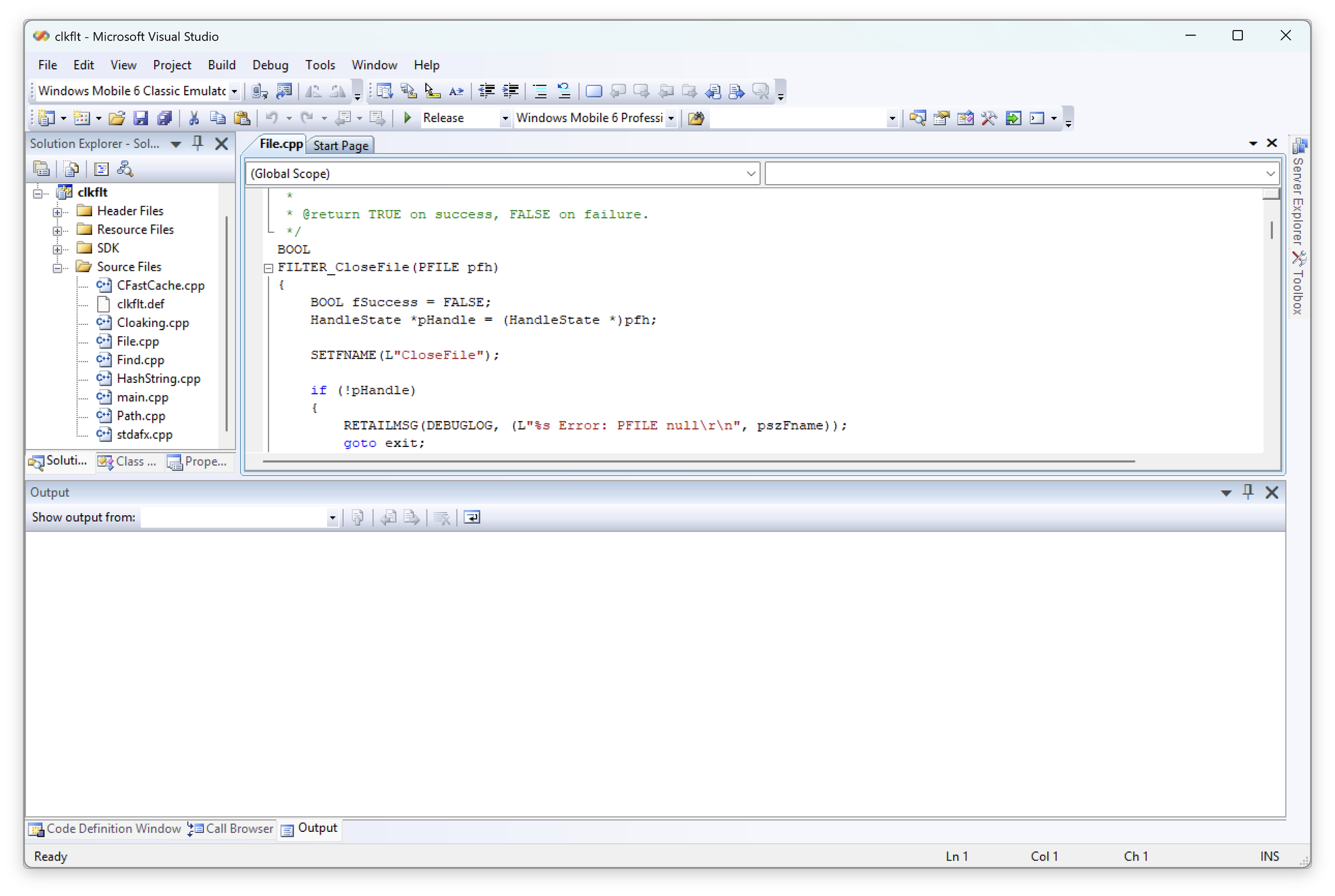
For some time, I tried Visual Studio 2012. It got better than 2010, but not enough to change my mind. The wind changed, and this was the last release I have experience with.
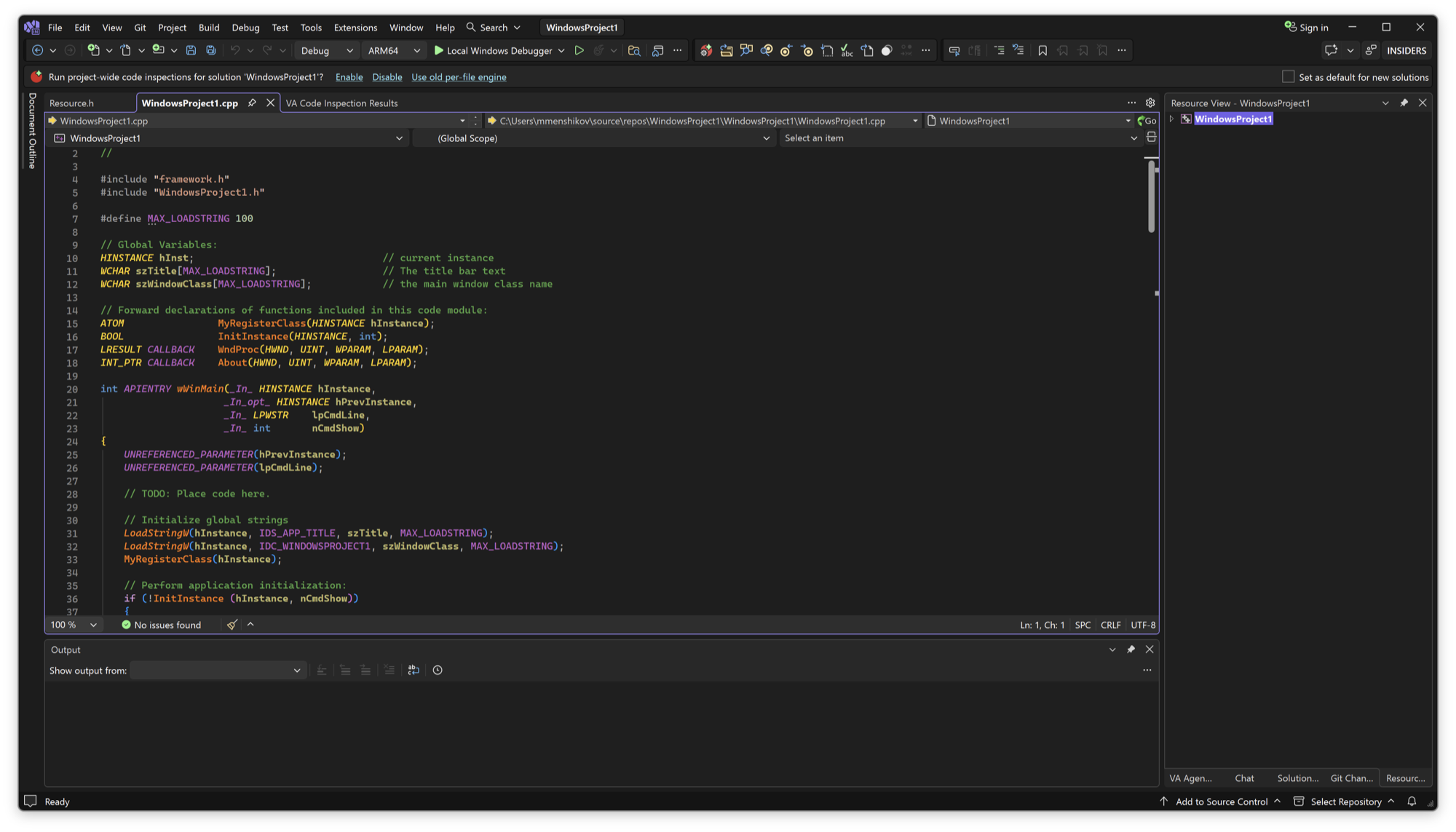
Text editors and open-source toolchains
The first thing that makes sense for any developer is using open-source toolchains. If you know the language well and you’re ready to write scripts, there is no sense in using an IDE at all. Just use a text editor of your choice and a terminal, and deep dive into the code with even more success.
The interface is almost gone
IDEs had been created for humans who needed fancy editors. With AI, the human is… removed. Therefore, these fancy menus and panels are worthless.
The only reasonable case when they are needed is designing from scratch. At the same time, it is hard for me to see a designer who doesn’t use an XML-based representation of the UI, which offers a much more comfortable experience.
Oh, and the other case: just checking what AI has done. Sounds plausible, too.
The compilation via AI is also great. AI can serve as glue between different components. Often you don’t even need to know how to build a certain project; just give this task to AI and see it done.
The toolset that matters
As I said long ago, building applications is not about hitting “Build” in IDE. It is much more than that. Compilers, linkers, runtimes and analyzers all work together to make your experience better.
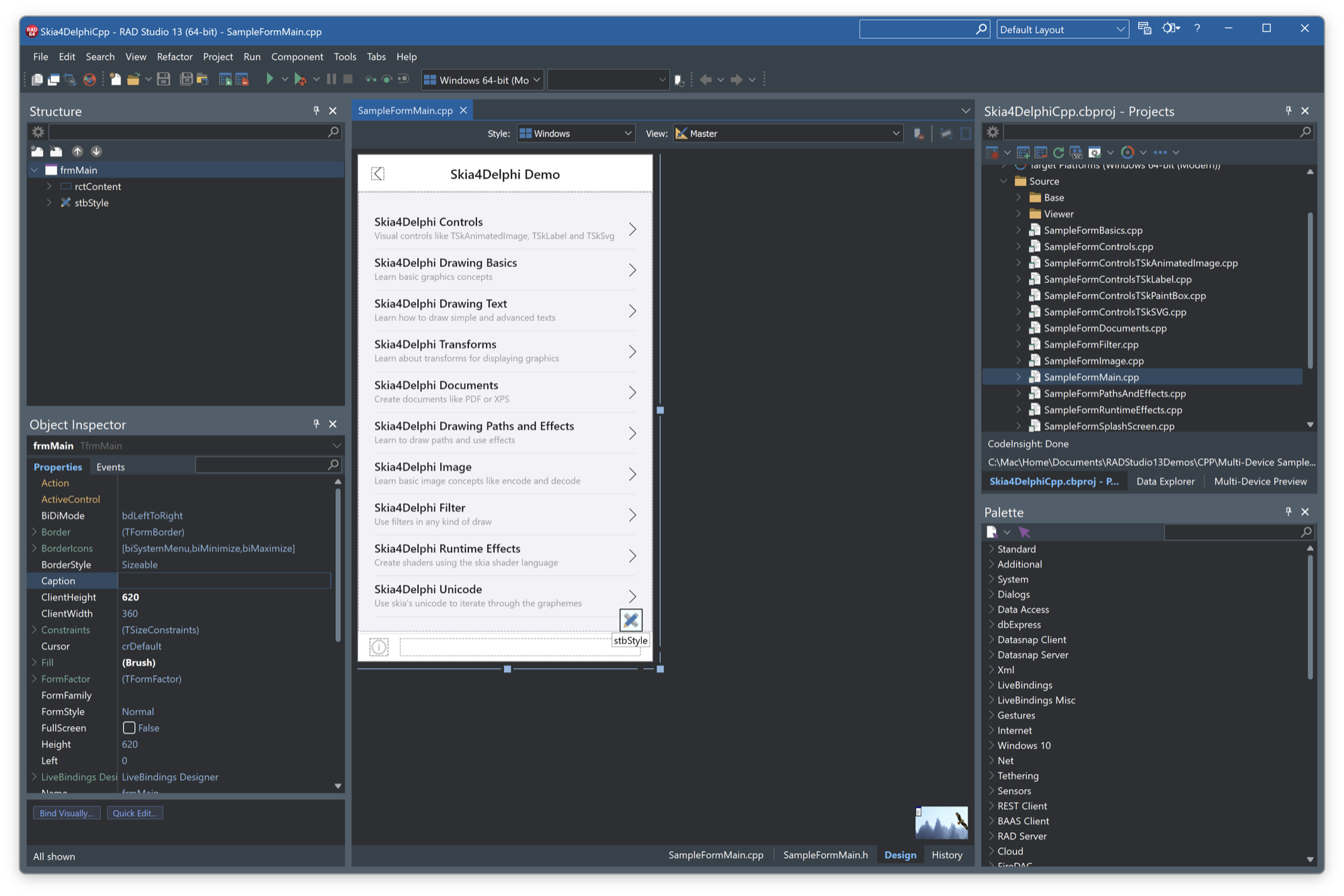
Here is where IDEs shine. That’s an authentic, aggregated experience where all components were created to work together and tested to work together.
To further stress why it is important, pay attention to debugging information formats, linker information and ABIs. Any incompatibility, and a certain stage of your development doesn’t work.
What IDEs will become
Paradoxically, AI has made visual interfaces obsolete. But IDEs don’t necessarily need to have an interface at all.
Why? An IDE must be something that gives an opportunity to get from point A to point B in the shortest way possible. To have a product. To ship it to the widest audience, keeping quality high.
IDEs might become a missing link between the world of statistically computed tokens and the world of technical integrity and soundness. The missing “make it work” button. And that’s the way forward for IDEs.